Understanding our local environment is the first step toward a sustainable future. Urban ecosystems are complex webs of interaction where human dwellings and nature attempt to find a balance. In contemporary city planning, the integration of green spaces is no longer just an aesthetic choice but a biological necessity for the health of both the population and the planet.
Biodiversity in urban settings acts as a critical buffer against environmental stressors. By cultivating diverse plant species within our private and public gardens, we provide essential habitats for local wildlife, from birds to beneficial insects. This variety ensures that the ecosystem remains resilient, as a diverse environment is far better equipped to handle diseases or sudden climate shifts than a sterile monoculture.
Air quality remains one of the most pressing concerns in modern metropolitan areas. Vegetation plays a silent but heroic role in filtering pollutants such as nitrogen dioxide and particulate matter from the atmosphere. Trees and shrubs act as natural filters, trapping dust on their leaves and absorbing gaseous pollutants, while simultaneously releasing fresh oxygen through the process of photosynthesis.
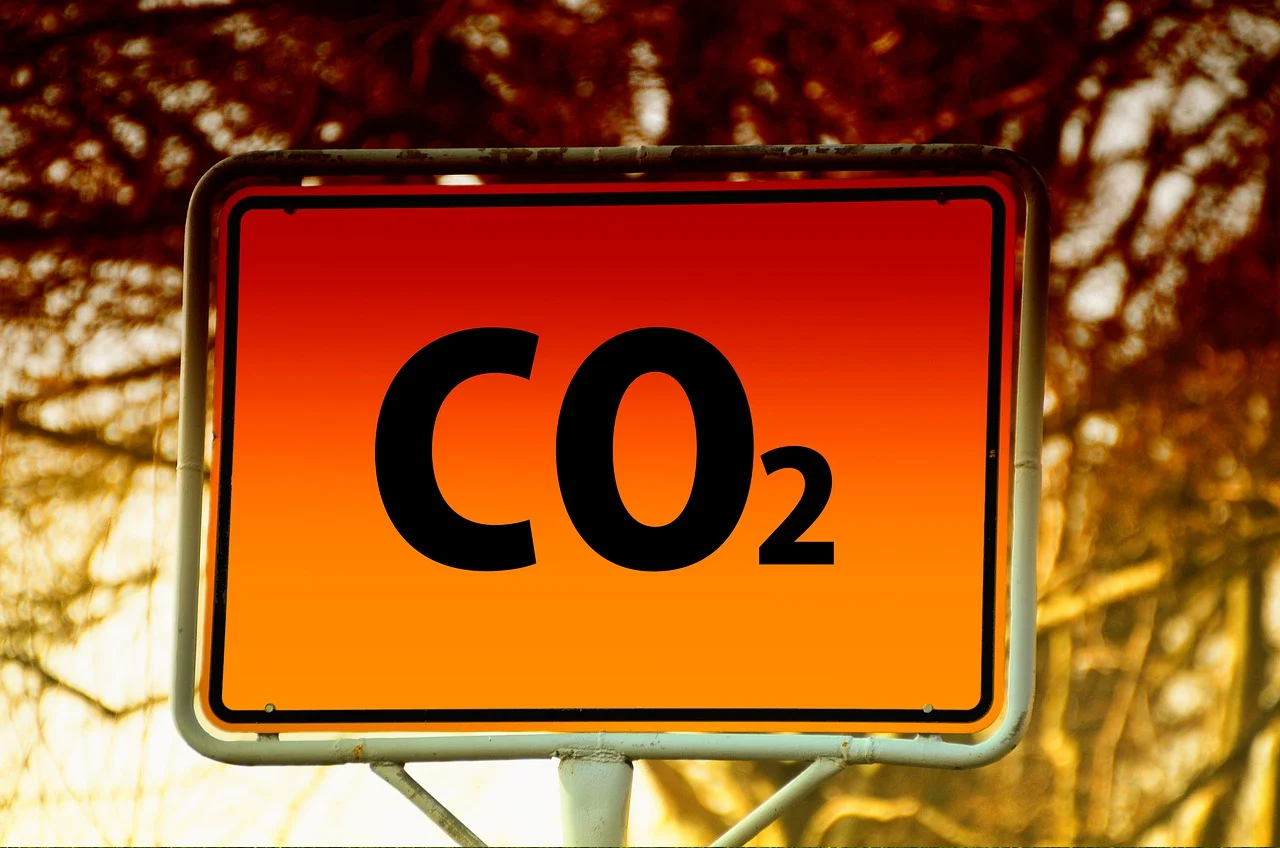
Carbon sequestration is a powerful tool in our fight against global warming, and every garden contributes to this global effort. Plants naturally absorb carbon dioxide from the air and store it in their biomass and the surrounding soil. By maintaining healthy, long-lived plants, homeowners effectively create localized carbon sinks that help offset the carbon footprint of their daily urban activities.
Water management is often overlooked until heavy rains cause localized flooding. Conventional urban surfaces like asphalt and concrete are impermeable, forcing water into storm drains and increasing the risk of overflow. Green spaces, however, act as natural sponges. Using permeable surfaces and strategic planting allows water to seep slowly into the ground, replenishing local aquifers and reducing the strain on municipal systems.
The choice between native and invasive species can fundamentally change a local landscape. Native plants have co-evolved with local wildlife and climate, meaning they require less water and maintenance while providing the exact nutrients local insects and birds need. Invasive species, conversely, can grow unchecked, outcompeting local flora and disrupting the delicate food chains that sustain our indigenous environment.
The urban heat island effect describes the phenomenon where cities become significantly warmer than their rural surroundings due to the heat-absorbing properties of concrete and steel. Strategically placed trees and vertical gardens provide shade and cool the air through evapotranspiration. This natural cooling can reduce the need for air conditioning, leading to lower energy consumption and a more comfortable local climate.
Healthy soil is a living organism, a world teeming with billions of microorganisms that process nutrients and support plant life. Modern chemical fertilizers can often disrupt this delicate subterranean balance, leading to long-term soil degradation. By using organic matter and avoiding heavy tilling, we can preserve the complex fungal and bacterial networks that make our gardens naturally productive and self-sustaining.
Pollinators like bees, butterflies, and moths are the backbone of our food systems, yet they face immense challenges in urban areas due to habitat loss and pesticide use. Planting pollinator-friendly flowers ensures these creatures have a constant source of nectar throughout the seasons. A garden that supports pollinators is not just a personal hobby—it's a vital contribution to regional food security and ecological health.
Sustainable living begins in the garden but extends into every choice we make as modern homeowners. From minimizing waste to selecting eco-friendly products, our interaction with the environment is a continuous dialogue. By treating our gardens as part of a larger, interconnected global system, we move away from being mere consumers and become active stewards of the natural world.